 By
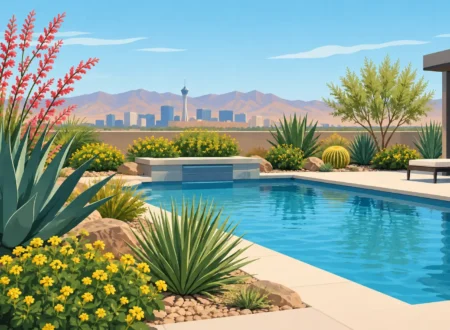
By A beautiful custom pool begins long before tile, water features, or a first swim. Pool excavation is the moment a backyard design becomes a physical structure, and the quality of this work affects every stage that follows. In Las Vegas, where hard desert soils, caliche, tight lot lines, and intense summer heat can shape construction conditions, excavation requires more than simply digging a hole.
For homeowners planning a new pool, understanding this early construction phase makes the process feel far more predictable. It also explains why professional design, accurate layout, and experienced site management matter so much to the long-term performance of the finished pool.
What Happens During Pool Excavation?
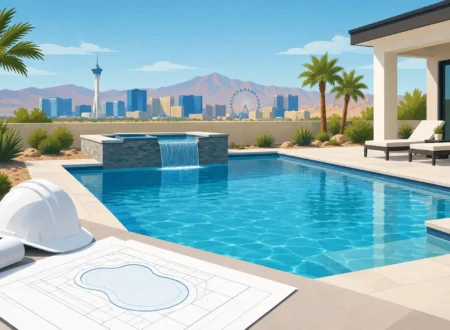
Once the design is approved, permits are in place, and the backyard is prepared for access, the construction team transfers the pool plan from paper or 3D rendering to the site itself. Crews mark the pool outline, establish elevations, and identify the precise areas for the pool shell, spa, equipment lines, drains, and any integrated features.
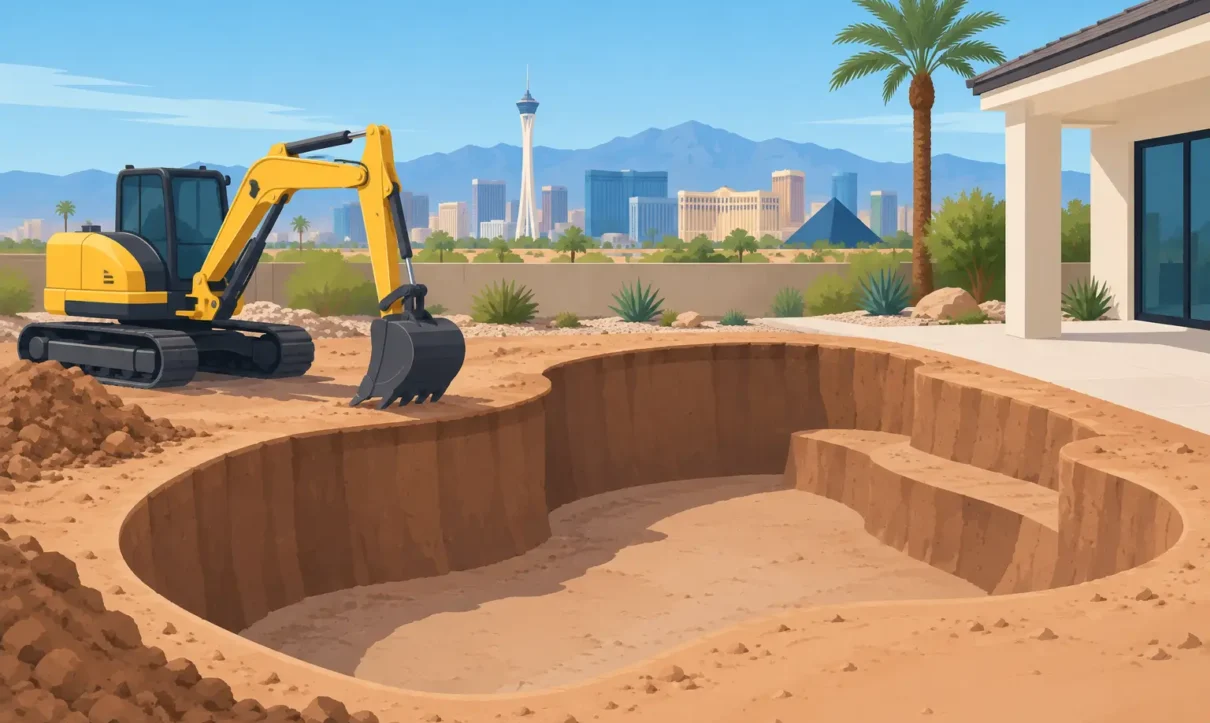
Excavation equipment then removes soil to create the pool’s rough shape. This includes the shallow end, deep end, steps, benches, tanning ledges, and spa footprint when applicable. The excavation is intentionally larger than the visible interior of the pool because the structural shell, plumbing, reinforcing steel, and working space all require room.
This is also when a homeowner can see the scale of the project clearly for the first time. A pool that looked balanced in a rendering now has real dimensions in the yard. That visual shift can be exciting, but it is also why careful planning before excavation is essential. Adjustments are easier and more cost-effective during design than after machinery has begun work.
Why Las Vegas Soil Conditions Matter
Las Vegas Valley soil is not the same from one neighborhood to the next. Some properties have relatively manageable sandy material, while others contain dense caliche, a hardened layer of soil common throughout the desert Southwest. Caliche can require specialized equipment and additional labor to break through safely and achieve the required depth and shape.
Rock, buried debris, unexpected utility conflicts, and access limitations can also affect the excavation approach. A narrow side yard, for example, may limit the size of equipment that can enter the property. In some cases, crews must use smaller machinery or coordinate removal and delivery carefully to protect existing walls, gates, and landscape elements.
These conditions do not prevent a homeowner from building an ambitious backyard retreat. They do, however, reinforce the value of working with a contractor that understands local construction realities. More than 30 years of work in the Las Vegas Valley gives Laguna Pool and Spa practical experience with the site conditions that can influence a project before the first yard of soil is removed.
Caliche Is a Construction Factor, Not a Design Failure
Homeowners sometimes hear that their yard contains caliche and assume the project is suddenly in trouble. In reality, caliche is a known local condition that experienced pool builders plan for. Its presence may affect equipment needs, excavation duration, or project cost, but it is manageable with proper evaluation and a clear construction plan.
The right response is transparency. A qualified contractor should explain what is known from the site review, what may only become visible during digging, and how unforeseen subsurface conditions are handled if they arise.
Excavation Follows Design, Not Guesswork
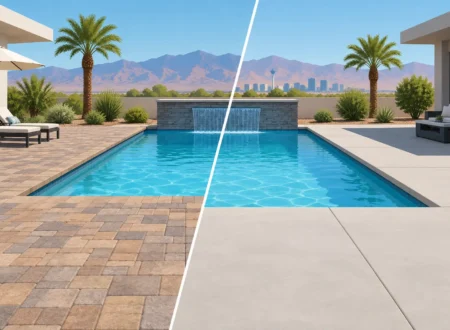
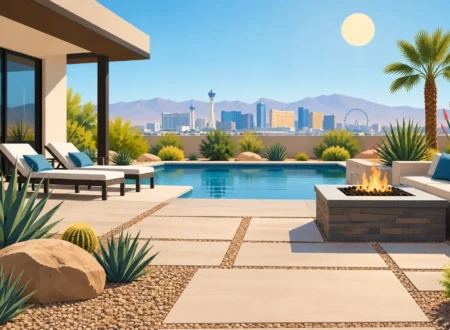
A custom pool should be designed as part of the entire outdoor environment. The pool’s position affects circulation around the patio, views from the home, sun exposure, privacy, drainage, and the location of future features such as an outdoor kitchen, patio cover, fire feature, or artificial turf.
That is why the excavation plan starts with design decisions that may seem unrelated to digging. A raised spa with a cascading spillway needs specific structural elevations. A beach entry requires a gradual profile and room for the transition into the pool. An infinity edge has demanding grade and hydraulic considerations. A wet deck, sun shelf, or swim-up seating area changes the shape and steel requirements of the shell.
Professional 3D design gives homeowners a chance to consider these relationships before construction begins. It helps answer practical questions: Will there be enough deck space for loungers? Does the spa align with the view from the primary living area? Is the equipment location convenient without becoming a visual distraction? Does the pool leave enough room for entertaining?
A strong design process does not eliminate every field condition, but it prevents the avoidable surprises that come from treating the pool as an isolated feature.
What Is Checked Before Digging Begins?
Before excavation, a responsible construction team coordinates several details that protect the project, the property, and the people working on site. Utility locations must be identified, access routes must be planned, and the construction area needs clear boundaries. Existing landscape, hardscape, walls, and structures are evaluated for protection or removal.
Elevation is especially important. The pool must work with the property’s drainage plan rather than create areas where water collects against the home or patio. In a desert climate, a sudden monsoon storm can expose weaknesses in grading quickly. The finished yard should direct water appropriately while preserving the intended pool elevations and outdoor-living layout.
The team also considers soil export. Excavating a pool creates a significant amount of material that must be loaded, transported, and disposed of properly. The number of truckloads depends on pool size, depth, soil type, and the amount of material that can be used elsewhere on the property. This logistical detail is not glamorous, but it is a meaningful part of maintaining an organized jobsite and keeping construction moving.
The Structure Takes Shape After the Dig
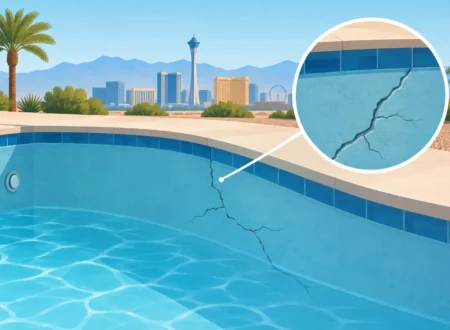
Excavation is a major milestone, but it is only the beginning of the pool’s structural build. After the rough dig is complete and approved, crews prepare the excavation for reinforcing steel, plumbing, electrical components, and the concrete shell. These systems work together to create a pool that can withstand soil pressure, water pressure, use over time, and the Las Vegas climate.
The excavation must be accurate enough to support those next steps. If the depth, slopes, steps, or feature areas are not formed correctly, later trades have less room to execute the design as intended. Precision at this stage supports the craftsmanship visible in the final result, from the clean line of an infinity edge to the comfort of a properly proportioned bench.
Homeowners should also recognize that the project will look rough for a period of time. Exposed dirt, equipment, steel, trenches, and forms are normal parts of construction. A well-managed project is not one that avoids the mess entirely. It is one where each phase is organized, inspected, and completed in the right sequence.
Questions Worth Asking Your Pool Builder
The excavation conversation should be direct and specific. Ask how the contractor evaluates access, caliche, drainage, utilities, and soil removal before work begins. Ask whether your desired features create special excavation or structural requirements. If your property has a slope, retaining wall, mature landscaping, or a compact yard, ask how those conditions affect equipment access and scheduling.
It is also wise to discuss communication. Homeowners should know who will provide updates, how changes are documented, and what happens if site conditions differ from initial expectations. Construction accountability is particularly valuable in a project involving multiple trades, inspections, and a substantial investment in the home.
Price matters, but the lowest excavation allowance is not automatically the best value. A vague scope can leave room for costly surprises later. A clear proposal and thoughtful preconstruction process give you a better basis for comparing builders and making decisions with confidence.
Build the Foundation for the Backyard You Want
Pool excavation may last only a portion of the overall construction schedule, yet it establishes the foundation for the entire outdoor retreat. It determines where water will sit, how the structure will be formed, how features will function, and how the pool will connect to the rest of the backyard.
When you are ready to turn a Las Vegas backyard into a custom place for recreation, relaxation, and entertaining, start with a design conversation that accounts for what is above ground and below it. The best finished pools feel effortless because the planning behind them was anything but.