
 By
By In Las Vegas, a swimming pool is more than a place to cool off during a few hot months. It becomes the center of family time, entertaining, quiet evenings, and everyday outdoor living. That is why the question, “how much does a pool cost,” deserves more than one number. The right budget depends on the pool itself, the property it will occupy, and the level of outdoor environment you want to create around it.
For a professionally built custom inground pool in the Las Vegas Valley, homeowners should generally expect a starting investment around $60,000 to $80,000 for a straightforward design. A complete pool-and-backyard project with a spa, upgraded finishes, hardscape, landscaping, shade, and entertainment features can range from $100,000 to $200,000 or more. These are planning ranges, not fixed quotes. Every site, design, and construction scope is different.
How Much Does a Pool Cost? Start With the Scope
A pool price is shaped by more than length, width, and depth. A compact geometric pool with standard finishes may require less excavation, fewer materials, and simpler plumbing than a freeform pool with a raised spa, multiple water features, and an integrated outdoor kitchen. Both can be beautiful. They simply serve different priorities and require different levels of construction.
A new custom pool budget commonly includes professional design, engineering as required, permits, excavation, structural steel, plumbing, electrical work, the pool shell, interior finish, coping, tile, equipment, and start-up. However, the exact inclusions should always be reviewed carefully. One proposal may cover only the pool, while another may include demolition, decking, drainage, landscaping, lighting, or a spa.
This distinction matters in Las Vegas, where many homeowners are not looking for a standalone pool. They want a cohesive retreat that works with the architecture of the home and supports the way they spend time outside.
The Biggest Factors Behind Pool Pricing
Pool size, shape, and structural complexity
Larger pools require more excavation, steel, concrete, plumbing, water, and finish material. Yet size is not the only cost driver. A modest-sized pool with complex curves, deep sections, multiple elevations, or a vanishing edge can cost more than a larger rectangular design with a simple layout.
Depth also affects cost and use. A pool designed primarily for lounging, playing with children, and cooling off may not need the same depth profile as a pool intended for diving or lap swimming. Clarifying how your household will use the water helps your designer direct the budget toward features that will matter long after construction is complete.
Property conditions and access
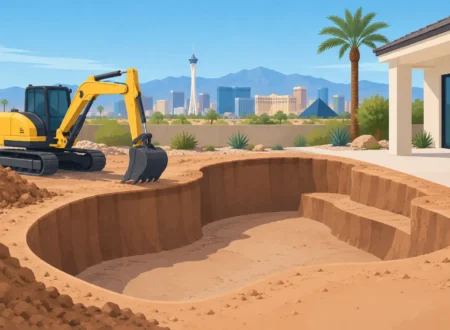
The ground beneath and around your backyard has a direct effect on construction. Rocky soil, tight side-yard access, slope changes, existing retaining walls, utility locations, and drainage needs can all add labor and equipment time. In some neighborhoods, access for excavation machinery is limited, requiring extra coordination or specialized methods.
Permitting and homeowners association requirements also vary by property. A qualified local contractor can identify these considerations early, before a homeowner becomes attached to a design that needs major revisions. This is one reason a detailed site evaluation is more valuable than a quick price estimate based only on a photo or rough dimensions.
Interior finishes, tile, and coping
The materials you see and touch every day influence both the character and cost of a pool. Standard plaster finishes offer a clean, traditional appearance, while premium aggregate finishes can provide richer color, texture, and durability. Tile selections range from practical waterline tile to custom glass and stone applications that become a major visual feature.
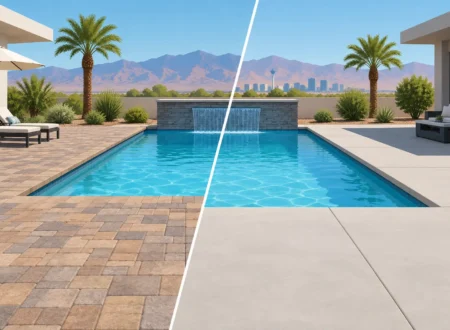
Coping frames the water and connects the pool to the deck. Natural stone, porcelain pavers, concrete, and other materials each bring a different look, maintenance profile, and price point. The goal is not to choose the most expensive option by default. It is to select materials that complement the home, perform well in the desert climate, and fit the intended level of finish.
Equipment, automation, and efficiency
Modern pool equipment can make ownership easier and more efficient. Variable-speed pumps, automated controls, LED lighting, advanced filtration, and saltwater systems can affect the upfront cost while improving convenience and reducing some ongoing operating demands.
Automation is especially useful for homeowners who travel or want simple control over temperatures, lighting, water features, and cleaning schedules. It may not be essential for every project, but it is worth considering during design. Adding electrical infrastructure or equipment capacity later is often more complicated than planning for it from the start.
Spas, water features, and premium details
A raised spa with a cascading spillway brings warmth, movement, and an architectural focal point to a backyard. It also adds plumbing, heating requirements, structural work, tile, and finish materials. The same applies to waterfalls, sheer descents, deck jets, fire bowls, beach entries, wet decks, infinity edges, and custom lighting.
These features should be chosen for the experience they create, not simply because they look impressive in a photograph. A tanning ledge may be a favorite gathering place for a family with young children. A fire feature can extend outdoor entertaining into cooler desert evenings. An infinity edge may make sense on a property with a dramatic view, but it is not necessary for every yard.
The Pool Is Often Only Part of the Investment
When homeowners ask for a pool price, they sometimes picture the water alone. Once construction begins, it becomes clear that the surrounding space is equally important. A pool without adequate deck space, shade, drainage, lighting, or landscaping can feel unfinished and be less enjoyable to use.
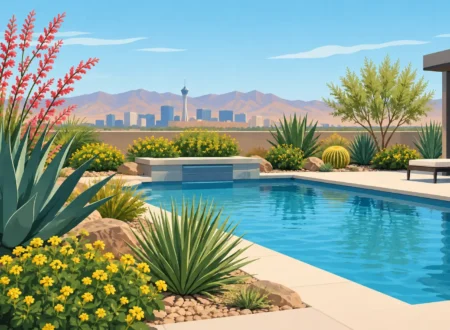
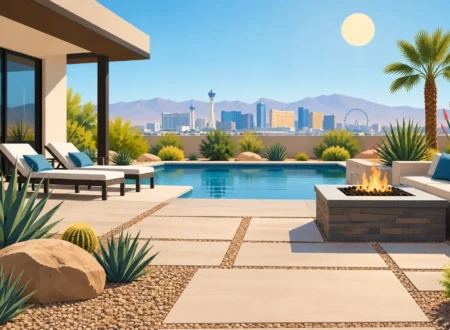
A complete backyard plan may include patio extensions, pavers, artificial turf, planting, low-voltage lighting, pergolas or patio covers, outdoor kitchens, bar seating, fireplaces, and fire pits. These elements can significantly expand the overall investment, but they also create a more unified and functional outdoor living environment.
There is a practical advantage to planning the entire yard at once. Coordinating pool construction, hardscape, utilities, and landscaping in one design can prevent the disruption of tearing out finished areas later to add a gas line, drainage solution, or electrical connection. Homeowners can still phase portions of a project when appropriate, but the master plan should anticipate what comes next.
Costs to Plan for After Construction
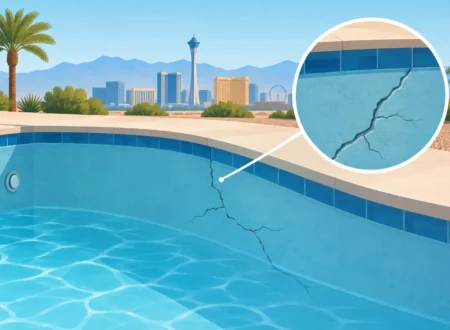
The purchase price is only one part of pool ownership. Monthly utility use, water chemistry, routine service, seasonal heating, and occasional repairs should be part of the decision. A heated spa used frequently will have a different energy profile than a pool used primarily in warm weather.
Equipment selection, pool cover options, water-conscious landscape design, and automation can help homeowners manage these costs. Las Vegas homeowners should also plan for water evaporation and regular attention to chemical balance, particularly during the hottest, windiest parts of the year. A well-designed system and clear owner education make those responsibilities far more manageable.
How to Set a Realistic Pool Budget
Start by separating must-haves from nice-to-haves. If a spa is central to how you plan to relax at home, include it in the initial scope. If an outdoor kitchen is a future goal, reserve the utility access and space for it now. This approach keeps the project focused without closing the door on future upgrades.
It is also wise to allow a contingency for site conditions and selections that evolve during the design process. The lowest initial price is not always the best value if it leaves out critical work, uses equipment that does not fit your needs, or fails to account for the finished backyard around the pool.
Professional 3D design can be especially valuable at this stage. Seeing the pool, spa, deck, furniture areas, landscaping, and features in relation to your home helps turn broad ideas into informed decisions. It can reveal whether a larger pool is truly needed, whether a raised spa blocks an important view, or whether the budget is better spent on shade and entertainment space.
With more than 30 years of experience in the Las Vegas Valley, Laguna Pool and Spa approaches pricing as part of a complete design conversation. A detailed consultation helps establish priorities, evaluate the property, and develop a project that reflects the homeowner’s lifestyle rather than a generic package.
A well-planned pool should feel like it belonged in the backyard from the beginning. The most useful question is not only what it costs to build, but what experiences the finished space will create for your home in the years ahead.

1 Comment
Comments are closed.