 By
By A pool interior is not a minor finishing detail. It is the surface your family sees through the water every day, feels underfoot, and relies on through years of Las Vegas sun, mineral-heavy water, and regular use. When homeowners weigh quartz versus pebble finish, they are usually deciding between a refined, more uniform look and a richly textured surface with exceptional visual depth.
Both are proven choices for custom pools and renovations. The better fit depends on how you use the pool, the color and architecture of the backyard, your comfort preferences, and the level of investment you want to make in the interior. A thoughtful decision at this stage can make the entire outdoor retreat feel more intentional.
What Is a Quartz Pool Finish?
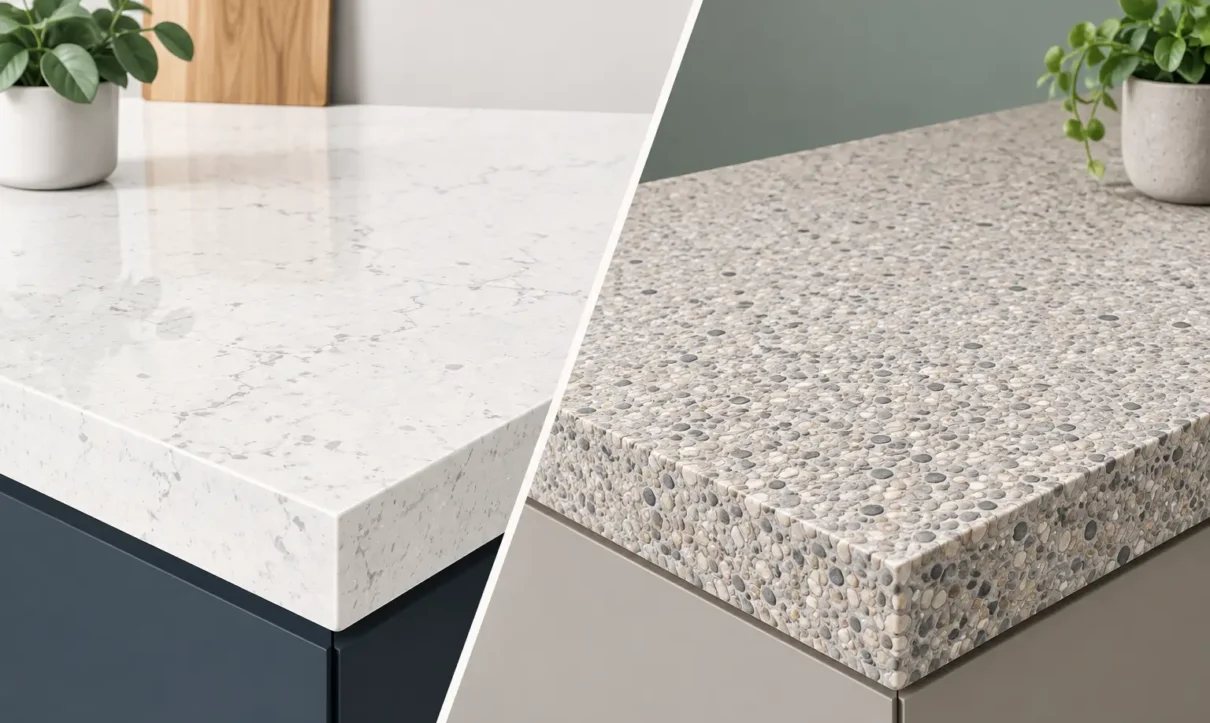
Quartz finish is a plaster-based pool interior blended with quartz aggregate. The quartz adds strength, color variation, and a subtle reflective quality beyond what standard white plaster provides. It is typically troweled onto the pool shell and finished into a relatively smooth, consistent surface.
For homeowners who want a polished appearance without an aggressively textured feel, quartz often strikes the right balance. It can create water colors ranging from bright, clean blue to softer gray-blue, green-blue, or deeper tones, depending on the selected pigment, water depth, tile line, coping, and surrounding landscape materials.
Quartz is especially appealing in contemporary backyard designs. Its more even visual field can complement clean-lined water features, geometric pools, raised spas, porcelain decking, and modern fire elements. It also works beautifully when the pool is meant to support the overall design rather than become a heavily textured focal point.
Where Quartz Performs Well
Quartz is more durable than traditional plaster because the aggregate reinforces the finish. With proper water chemistry, professional installation, and a careful start-up period, it can provide years of attractive service. Its smoother feel is a meaningful benefit for families with children, swimmers who spend long afternoons in the pool, or homeowners who simply prefer a less abrasive surface on bare feet.
That said, quartz is still a cementitious finish. It needs attentive chemical balance, particularly in the Las Vegas Valley, where evaporation and hard water can make maintenance more demanding. Calcium buildup, imbalanced pH, and prolonged exposure to improper water conditions can affect any plaster-based surface, including quartz.
What Is a Pebble Pool Finish?
Pebble finish uses small, naturally rounded stones embedded in a cement-based material. After application, the surface is exposed to reveal the pebbles, creating a more dimensional, organic appearance. The result can range from subtle and sophisticated to bold and dramatic, depending on the pebble size, color blend, and pool design.
A pebble interior is known for its depth. Individual stones catch and reflect light differently, so the water can appear to shift in color throughout the day. That visual movement is one reason pebble is often selected for resort-style backyards, freeform pools, tropical landscapes, beach entries, grottos, and designs with waterfalls or cascading spillways.
Pebble is also a strong choice for homeowners who want a premium material with a reputation for long-term durability. The exposed aggregate is generally more resistant to visible wear than smoother plaster finishes, although its longevity still depends on proper construction, water care, and regular maintenance.
The Trade-Off: Texture Underfoot
The defining advantage of pebble is also the primary consideration: texture. Even polished pebble surfaces have more feel underfoot than quartz. Many homeowners enjoy that natural character, but others find it less comfortable during extended pool use, particularly on steps, shallow lounging areas, and beach entries where people stand or sit frequently.
Texture varies substantially by product and installation. Smaller pebble blends and polished options tend to feel smoother than larger exposed aggregates. A professional builder can help you compare physical samples, which is more useful than choosing solely from a photograph. Viewing materials in sunlight and touching them with bare hands gives a much clearer sense of the final experience.
Quartz Versus Pebble Finish: Key Differences
The most practical comparison begins with feel, appearance, durability, and budget rather than trying to identify one universal winner.
Quartz generally offers a smoother, more uniform surface. It is an excellent fit for homeowners who value comfort and a clean, tailored water color. Pebble offers more texture and more visual variation, with a natural, high-end character that can make water appear especially deep and dynamic.
On durability, pebble commonly has the advantage. Its exposed stone aggregate stands up well to daily use and can be a compelling long-term investment for a heavily used family pool or a major renovation intended to last for many years. Quartz remains a durable upgrade from standard plaster, but it may not deliver the same lifespan as a quality pebble finish under identical conditions.
Cost follows that material difference. Pebble is typically the more expensive option because of its aggregate, application process, and premium positioning. Quartz often gives homeowners an attractive middle ground: greater performance and visual interest than basic plaster at a lower initial cost than pebble. Exact pricing depends on pool size, preparation work, access, selected color, water features, and whether the project includes a full renovation.
Consider Las Vegas Water, Sun, and Maintenance
A beautiful finish needs a maintenance plan that matches the climate. Las Vegas heat accelerates evaporation, which concentrates minerals in the water. Hard water can leave calcium deposits at the waterline and affect the appearance of tile and interior finishes if it is not managed consistently.
Neither quartz nor pebble is maintenance-free. Both benefit from balanced pH, alkalinity, calcium hardness, sanitizer levels, routine brushing, and timely treatment of scale. The first several weeks after a new finish is installed are especially important. Proper start-up care allows the material to cure as intended and helps prevent avoidable discoloration, mottling, or surface issues.
Color selection matters here as well. Very light interiors can show staining or mineral deposits more readily, while very dark interiors may reveal dust, debris, and waterline scale. Mid-tone finishes often provide a practical balance, especially for active backyards that receive strong sun and windblown desert debris.
Match the Finish to the Way You Use the Pool
A family pool with broad steps, a tanning ledge, and frequent playtime may favor the smoother comfort of quartz. If the goal is a crisp, contemporary pool that ties into structured hardscape and a modern patio cover, quartz can feel appropriately refined.
A pebble finish may be the stronger choice for a resort-inspired retreat where the pool is a central design statement. It pairs naturally with boulder waterfalls, lush landscaping, natural stone coping, freeform curves, and spa spillways. It can also give a geometric pool a deeper, more layered look when combined with glass tile, fire features, and dramatic landscape lighting.
There are exceptions. A sophisticated pebble blend can look outstanding in a minimalist architectural pool, and a darker quartz finish can create impressive depth in a freeform design. The finish should support the complete environment, not compete with it.
Why Samples and 3D Design Matter
Pool water color is never determined by finish alone. Depth, orientation, sun exposure, shade structures, tile, coping, decking, and even the color of adjacent walls all influence what you see. A finish that appears turquoise in a small sample can read as deep blue or slate in a completed pool.
Before committing, evaluate samples beside the proposed tile and deck materials. Ask to see how the finish will work across steps, benches, spa interiors, and shallow water. A professional 3D design also helps place the finish within the full backyard plan, including landscaping, outdoor kitchens, water features, and evening lighting.
For a major pool renovation or new construction project, the right interior surface is the one that feels good to use and makes the overall design feel complete. A free design consultation with Laguna Pool and Spa can help you compare quartz and pebble options in the context of your home, your budget, and the backyard retreat you want to build.