
 By
By A Las Vegas evening can still hold plenty of warmth long after sunset. A custom spa gives that time a purpose: a private place to unwind after work, gather with friends, soothe tired muscles, or enjoy the backyard through every season. Custom spa construction Las Vegas homeowners choose should do more than add warm water to the yard. It should create a comfortable, efficient, beautifully integrated part of the outdoor living environment.
For more than 30 years in the Las Vegas Valley, Laguna Pool and Spa has seen how much difference thoughtful design makes. A spa that is positioned well, built with the right equipment, and finished to complement the home can become the feature homeowners use most. The best result begins with a plan that accounts for how the space will be enjoyed, not just where the spa can fit.
What Custom Spa Construction in Las Vegas Should Consider
A spa is a compact structure with a significant amount of engineering behind it. Plumbing, electrical systems, jet placement, water circulation, heating, drainage, structural reinforcement, and finishes must work together. In Southern Nevada, the design must also respond to intense summer heat, sun exposure, wind, hard water conditions, and the way homeowners use their backyards throughout the year.
That is why a custom spa should not be approached as an isolated feature. It needs to relate to the pool, patio, landscaping, home architecture, and circulation around the yard. A raised spa overlooking a pool creates a different experience than a tucked-away spa beside a covered patio. Neither approach is automatically better. The right choice depends on the lot, views, privacy needs, budget, and the family’s idea of a great evening at home.
Attached spas and standalone spas
An attached spa shares a visual and hydraulic relationship with the pool. It can sit above the pool waterline and send water over a spillway, creating movement and a focal point. This option is ideal when homeowners want a unified pool-and-spa composition and are planning new construction or a major pool renovation.
A standalone spa offers more flexibility in placement. It can be located closer to the home, beneath a patio cover, near an outdoor kitchen, or in a more private corner of the property. For homeowners who want to add hydrotherapy without rebuilding an otherwise functional pool, a standalone design may be the more practical investment.
Designing a Spa for How You Actually Live
The first question is not, “What shape should the spa be?” It is, “Who will use it, and when?” A couple looking for a quiet retreat may prefer an intimate configuration with deep seating, carefully placed jets, and a view toward a fire feature. A household that entertains may need broader bench seating, easy entry points, and room for several guests without making the spa feel crowded.
Depth matters as much as footprint. A deeper spa can provide a more immersive soak, while shallower seating may be more comfortable for conversation and easier for children or older family members to use. Steps should be substantial enough for safe entry and exit, particularly when the spa is elevated above surrounding hardscape.
Jet design deserves similar attention. More jets do not always produce a better experience. Properly located jets that target the shoulders, lower back, calves, or feet can be more valuable than a crowded arrangement that creates excessive turbulence. A professional design team can help match the jet layout to the desired use, whether that is relaxation, recovery after exercise, or social entertaining.
Materials That Carry the Design Beyond the Waterline
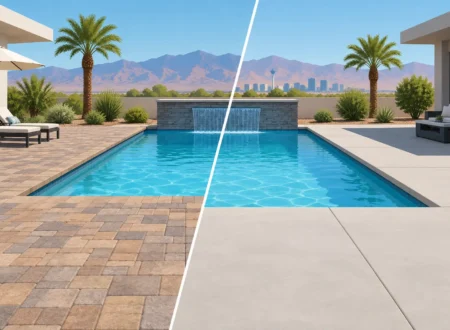
The interior finish, waterline tile, coping, and surrounding hardscape shape the spa’s personality. Glass tile can create a polished, luminous look under evening lighting. Natural stone or porcelain materials may better suit a contemporary desert palette, a Mediterranean-inspired yard, or the finish selections already present on the home.
Material selection should balance appearance with maintenance. Some surfaces show mineral deposits more readily than others, and Las Vegas water conditions should be part of the conversation before a finish is selected. Slip resistance is also essential around wet areas, especially where a spa meets a deck, step, or sunken seating zone.
A raised spa can serve as an architectural feature even when it is not in use. Tiled walls, stone veneer, a clean coping line, and a carefully designed spillway can connect the water feature to the rest of the yard. In a smaller backyard, this vertical element can add visual interest without consuming the area needed for lounging or dining.
Equipment Choices Affect Comfort and Operating Costs
A custom spa needs a heating and circulation system sized for its specific water volume and intended use. Equipment that is too small may take longer to heat or struggle to maintain temperature. Equipment selected without a clear hydraulic plan can create uneven jet performance, unnecessary noise, or higher operating costs.
Variable-speed pumps, efficient heaters, automated controls, and properly sized plumbing can improve daily ownership. Remote controls allow homeowners to prepare the spa before arriving home, while automation can simplify scheduling, temperature adjustments, and lighting. The most sophisticated system is not always necessary, but equipment should make ownership easier rather than creating another item on the household to-do list.
Lighting also changes how the spa functions after dark. Underwater LED lighting can set a relaxing mood and improve visibility, while landscape lighting defines walking paths and steps around the water. When a spa is part of a complete outdoor environment, lighting should be designed with the patio, pool, kitchen, and fire features instead of added as an afterthought.
Building the Spa as Part of a Complete Backyard
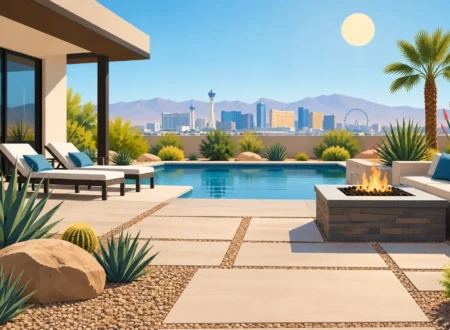
The strongest projects treat the spa as one element of a larger retreat. A spillway spa may frame a new pool. A fire bowl can add warmth and drama nearby. A patio cover can create shade over a conversation area, while low-maintenance landscaping softens hardscape and preserves open space for outdoor living.
This comprehensive approach is especially useful for homeowners building on a challenging lot or updating a dated backyard in phases. The complete vision can be developed first, then construction priorities can be organized around the available budget. That protects the long-term design from a series of disconnected additions.
Professional 3D modeling gives homeowners a clearer way to make those decisions. Before construction begins, they can evaluate the spa’s scale, location, finishes, sightlines, and relationship to the pool or home. It is far easier to adjust a step location or spillway width in a design plan than after concrete, tile, and plumbing are in place.
The Construction Details That Should Not Be Rushed
A custom spa requires excavation, steel reinforcement, plumbing installation, electrical coordination, concrete work, waterproofing, tile, finish application, equipment setup, and commissioning. Each stage affects the next. Proper permitting, code compliance, drainage planning, and safety measures are part of responsible residential construction, not optional extras.
Homeowners should also expect clear communication about the construction sequence and decisions that can affect the schedule. Material availability, permitting timelines, site access, weather, and the complexity of integrated features can all influence a project. An experienced, licensed, bonded, and insured contractor helps manage those moving parts while maintaining accountability from design through completion.
A showroom visit and design consultation can help turn broad ideas into real decisions. Bring inspiration images, measurements if available, and an honest description of how the backyard needs to work. Whether the goal is a compact therapeutic spa or a dramatic raised centerpiece connected to a new pool, the right design can make the backyard feel more intentional every day of the year.
A well-built spa is not simply a place to get warm. It is an invitation to use the home differently: slower evenings, better gatherings, and a retreat that feels personal from the moment the water begins to move.